
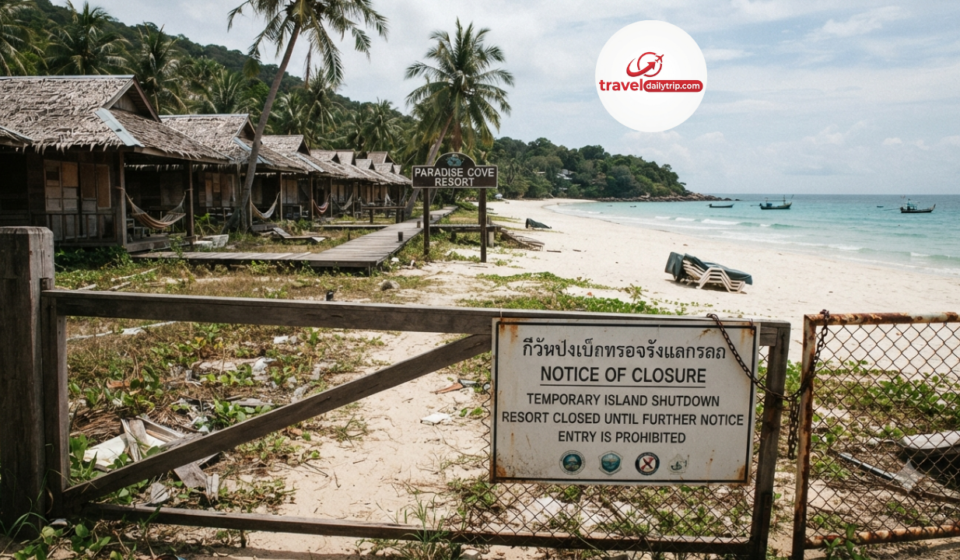

Saint Martin Island tourism closure has become a major topic among travelers who want to visit Bangladesh’s famous coral island. The island, known for its clear blue water, coral reefs, and peaceful beaches, has faced increasing pressure from tourism activities in recent years. To protect its natural environment, authorities introduced temporary restrictions on tourist access instead of allowing uncontrolled visitor growth.
The closure does not mean Saint Martin Island will remain closed forever. The decision focuses on protecting the island’s fragile ecosystem, reducing environmental damage, and creating a more controlled tourism system. Travelers who are planning a future visit need to understand why the closure happened, how it affects tourism, and what rules may apply when the island reopens.
Why Was Saint Martin Island Tourism Closed?
The main reason behind the Saint Martin Island tourism closure is environmental protection. Saint Martin is Bangladesh’s only coral island, and its natural resources are limited compared with the number of visitors it receives during peak tourist seasons.
Overcrowding, waste generation, plastic pollution, and pressure on marine life have created challenges for the island. Since Saint Martin has limited land, freshwater resources, and waste management facilities, a large number of tourists can quickly affect its environment.
The government introduced tourism restrictions to reduce damage to coral areas and protect the island’s biodiversity. The goal is to maintain Saint Martin’s natural beauty so that future visitors can continue experiencing its beaches and marine ecosystem.
How Tourism Growth Created Pressure on Saint Martin Island
Saint Martin Island became one of Bangladesh’s most popular travel destinations because of its unique natural attractions. Thousands of visitors travel there every year to enjoy the beaches, seafood, boat trips, and island lifestyle.
However, rapid tourism growth also created several environmental problems. Increased hotel construction, rising waste production, and heavy visitor activity placed additional pressure on the island’s ecosystem.
Coral reefs are especially sensitive to human activities. Walking on coral areas, improper waste disposal, and pollution can damage marine habitats that take years to recover. The tourism closure was introduced to address these problems before they become more serious.
Is Saint Martin Island Permanently Closed?
No, Saint Martin Island is not permanently closed. The tourism closure is a temporary step taken to protect the island and manage visitor activities more effectively.
The purpose of the restriction is not to stop tourism completely but to create a safer balance between environmental protection and local economic needs. Future tourism operations are expected to follow stricter guidelines to control visitor numbers and reduce environmental harm.
Travelers should check updated government announcements before planning a trip because access rules may change depending on conservation decisions.
What Are the Main Reasons Behind the Tourism Restrictions?
The Saint Martin Island tourism closure is connected with several environmental and management concerns. One major concern is the protection of coral reefs and marine life around the island.
Another reason is controlling waste and pollution. A small island can struggle to handle large amounts of garbage, especially during busy tourist seasons. Plastic waste and untreated waste can harm beaches, water quality, and sea animals.
Tourism management is also an important factor. Controlled visitor numbers help reduce pressure on local resources and allow authorities to improve facilities while protecting the island’s natural condition.
How Will the Closure Affect Local Businesses?
Tourism is an important source of income for many Saint Martin residents. Hotels, restaurants, boat operators, souvenir sellers, and local workers depend heavily on visitors during the travel season.
The temporary closure has created financial challenges for many people who rely on tourism-related activities. Fewer visitors mean reduced earnings for businesses that operate around accommodation, food services, and transportation.
However, protecting the island’s environment is also important for the future of these businesses. If natural resources continue to decline, Saint Martin could lose the beauty that attracts tourists in the first place.
What Should Tourists Expect After Saint Martin Island Reopens?
After reopening, visitors may experience a more controlled tourism system. Instead of unlimited access, future travel may focus on responsible tourism practices that protect the island’s environment.
Tourists may need to follow rules related to waste disposal, visitor limits, and protection of marine areas. These measures are designed to ensure that tourism supports the island without damaging its natural resources.
Visitors can also help by avoiding plastic waste, respecting local guidelines, and protecting coral areas during their stay. Responsible travel will become an important part of visiting Saint Martin Island.
Best Time to Visit Saint Martin Island After Reopening
The best time to visit Saint Martin Island is usually during the cooler months when weather conditions are more comfortable for traveling. The island’s tourism season has traditionally attracted visitors during the winter period because of calmer seas and pleasant temperatures.
After reopening, travelers should confirm the latest travel rules before booking hotels or transportation. Planning ahead will help avoid problems caused by changing tourism policies.
Why Protecting Saint Martin Island Matters
Saint Martin Island is more than just a tourist destination. It is a valuable natural area with coral ecosystems, marine species, and a unique coastal environment that needs protection.
Uncontrolled tourism can provide short-term benefits but may create long-term damage. A balanced approach can help preserve the island while allowing visitors and local communities to benefit from tourism.
The closure represents an effort to protect one of Bangladesh’s most important natural attractions. With better management and responsible travel habits, Saint Martin Island can remain a beautiful destination for future generations.
Frequently Asked Questions
Why is Saint Martin Island closed for tourism?
Saint Martin Island was closed to reduce environmental pressure, protect coral ecosystems, and manage tourism activities more effectively. The restriction focuses on conservation rather than permanently ending tourism.
Is Saint Martin Island closed forever?
No, Saint Martin Island is not permanently closed. The closure is a temporary measure designed to protect the island and improve future tourism management.
Can tourists visit Saint Martin Island during the closure?
Tourists should not plan visits during the official closure period. Travelers should wait for updated announcements before arranging trips.
What is the main problem caused by tourism on Saint Martin Island?
The major problems include waste pollution, pressure on natural resources, overcrowding, and damage risks to coral and marine ecosystems.
Will tourists be allowed to visit Saint Martin Island again?
Yes, tourism is expected to continue after reopening with stronger rules to protect the island’s environment and control visitor activities.
Conclusion
The Saint Martin Island tourism closure highlights the importance of protecting natural destinations from excessive pressure. The island’s beauty depends on healthy coral reefs, clean beaches, and a balanced relationship between people and nature.
Although the closure creates difficulties for local businesses, conservation efforts can help protect Saint Martin’s future as a tourism destination. A carefully managed tourism system can support both the environment and the communities that depend on visitors.
For future travelers, visiting Saint Martin Island will require more awareness and responsibility. Protecting the island today will help ensure that its natural charm remains available for generations to come.