
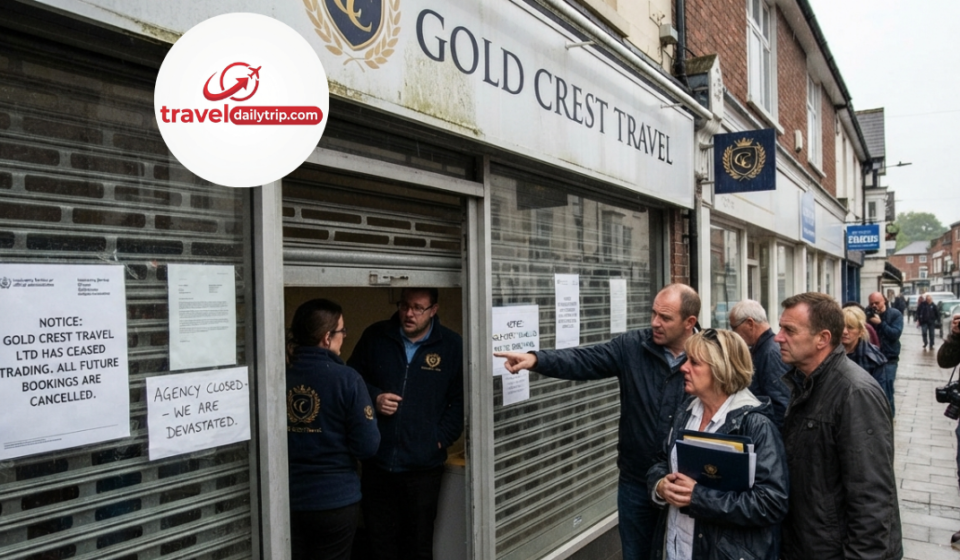

Gold Crest Travel firm collapse became a major concern for many UK travellers after the long-running holiday company stopped trading, leaving customers searching for answers about cancelled trips, refunds, and the reasons behind the closure. Known for organised coach holidays, European breaks, and special travel packages, Gold Crest Holidays had built a strong presence in the UK travel market over several decades.
The company’s closure highlighted the challenges facing traditional travel operators. Rising costs, changes in the travel industry, and financial pressures have affected many businesses in recent years. For customers who trusted Gold Crest for their holidays, the collapse raised important questions about what happened, why the company failed, and what steps affected travellers should take next.
What Happened to Gold Crest Travel?
Gold Crest Holidays was a UK-based travel company that specialised in coach holidays and planned trips for customers looking for affordable and organised travel experiences. Over the years, the company became recognised for offering holidays across the UK and Europe, including seasonal breaks, city visits, and themed travel packages.
The company eventually announced that it had stopped trading, bringing an end to more than three decades of operations. The closure meant that future holidays booked through Gold Crest were cancelled, leaving customers needing information about refunds and financial protection.
For many travellers, the news was unexpected because Gold Crest had been operating for a long time and had developed a loyal customer base. However, a strong history does not always protect companies from financial difficulties, especially during periods of major change in the travel sector.
Why Did Gold Crest Travel Collapse?
The Gold Crest Travel firm collapse was linked to several business challenges that affected the company’s ability to continue operating. Like many travel businesses, Gold Crest faced ongoing pressure after the COVID-19 pandemic, which caused significant disruption across the global tourism industry.
Although travel demand returned after restrictions ended, many companies continued dealing with financial difficulties. Higher operating costs, changes in customer behaviour, and increased expenses for transport and accommodation created additional pressure on travel operators.
Gold Crest also faced challenges related to changes in important business arrangements. The travel industry relies heavily on partnerships with transport providers, hotels, and other suppliers, meaning changes in these relationships can have a direct impact on a company’s operations.
The combination of these pressures made it increasingly difficult for the company to maintain normal business operations, eventually leading to its decision to cease trading.
How Customers Were Affected by the Gold Crest Closure
The biggest impact of the collapse was felt by customers who had already booked holidays with Gold Crest. Many travellers were left wondering whether their planned trips would go ahead and how they could recover money they had already paid.
When a travel company fails, customer protection depends on several factors, including how the holiday was booked and what type of financial protection was available. Customers are usually advised to keep booking confirmations, payment records, and any communication received from the company.
For travellers affected by the Gold Crest closure, understanding the refund process became a priority. Customers who had upcoming holidays needed clear guidance on claiming money back and checking whether their booking was covered under available protection schemes.
The Impact on the UK Travel Industry
The collapse of Gold Crest Holidays reflects wider difficulties within the UK travel industry. Smaller and medium-sized travel companies often operate with limited financial flexibility, making them more vulnerable when costs increase or unexpected problems occur.
The travel market has changed significantly in recent years. Customers now have access to a wide range of online booking options, price comparisons, and independent travel choices. While traditional holiday companies still attract customers who prefer organised trips and planned experiences, they face stronger competition than ever before.
Coach holiday providers have also had to adapt to changing customer expectations. Travellers increasingly look for flexibility, competitive pricing, and additional services, which can create challenges for companies built around traditional holiday models.
Why Travel Protection Matters After Company Failures
The Gold Crest Travel collapse shows why travellers should always check financial protection before booking a holiday. Many customers focus mainly on destinations, prices, and travel dates, but understanding booking protection can be equally important.
Financial protection can help travellers recover money if a travel company stops operating. The type of protection available depends on the company, the booking method, and the payment method used by the customer.
Before booking future holidays, travellers should check whether a company is part of recognised travel protection schemes and understand the terms and conditions connected with their booking.
What Gold Crest Customers Should Know
Customers affected by the Gold Crest closure should carefully review their booking details and gather all relevant documents. Keeping records of payments, booking confirmations, and emails can make the claims process easier.
Travellers should also rely on official updates rather than unverified information shared online. Company closures often create confusion, and accurate information is important when dealing with refunds and customer claims.
The situation also serves as a reminder that even established travel brands can experience financial difficulties. A company’s long history does not always guarantee future stability, especially during challenging economic conditions.
The Future of Traditional Travel Companies
The Gold Crest Travel firm collapse raises wider questions about the future of traditional holiday operators. While many travellers still value organised holidays, companies in this sector must adapt to changing customer expectations and rising business costs.
Successful travel businesses will need to focus on providing strong customer service, competitive packages, and reliable experiences. The industry remains active, but companies must continue evolving to survive in a highly competitive market.
For travellers, the lesson is clear: researching a company before booking and understanding financial protection can help reduce risks when planning a holiday.
Frequently Asked Questions
Why did Gold Crest Travel collapse?
Gold Crest Travel collapsed because of financial pressures linked to industry challenges, rising costs, the effects of the pandemic, and changes affecting its business operations.
When did Gold Crest Holidays stop trading?
Gold Crest Holidays stopped trading after more than 30 years of providing organised holidays and travel packages to UK customers.
What happened to Gold Crest holiday bookings?
Future Gold Crest holiday bookings were cancelled after the company stopped operating. Customers were advised to check their refund and protection options.
Can customers get their money back after the Gold Crest collapse?
Customers may be able to recover money depending on their booking details, payment method, and available financial protection.
What type of holidays did Gold Crest offer?
Gold Crest was known for coach holidays, European breaks, seasonal trips, and organised travel experiences for UK customers.
Conclusion
The Gold Crest Travel firm collapse marked the end of a well-known UK holiday company with decades of history. The closure affected many customers and showed how difficult conditions in the travel industry have become for some operators.
While the company had built a strong reputation over the years, changing market conditions and financial pressures created challenges that it could not overcome. The situation highlights the importance of travel protection and careful planning when booking holidays.
For travellers, the collapse is a reminder that checking a company’s reliability and understanding customer protection options are important parts of arranging any future trip.