
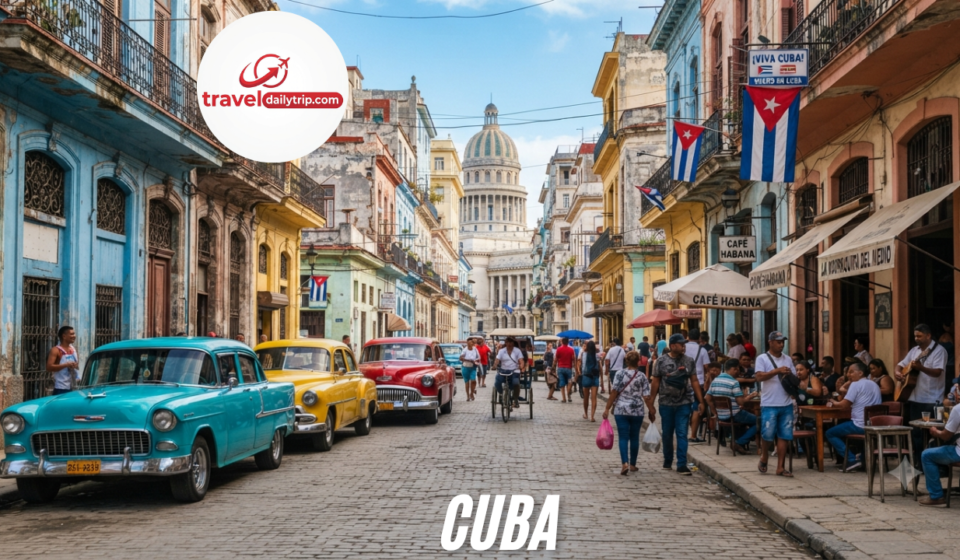

Cuba is one of the most recognized countries in the Caribbean, known for its colorful streets, historic cities, traditional music, beautiful beaches, and unique political history. Located just south of the United States, this island nation has attracted attention from travelers, historians, and political observers for generations. From the colonial architecture of Havana to the revolutionary events that shaped its modern identity, Cuba offers a story filled with culture, change, and resilience.
For many visitors, Cuba represents classic cars, tropical landscapes, Cuban cigars, and lively music. However, the country is much more than its famous images. Its history, people, economy, and traditions provide a deeper understanding of a nation that continues to influence the Caribbean region and the world.
Where Is Cuba Located?
Cuba is the largest island in the Caribbean and is located between the Caribbean Sea, the Gulf of Mexico, and the Atlantic Ocean. Its geographic position has made it an important location for trade, migration, and international relations throughout history. The country includes the main island of Cuba, the smaller Isla de la Juventud, and several surrounding islands.
The capital city, Havana, is the political and cultural center of the country. Known for its historic buildings, coastal views, and vibrant atmosphere, Havana reflects many different periods of Cuban history. Beyond the capital, Cuba is home to mountains, forests, farmland, and coastal areas that attract visitors from around the world.
The History of Cuba and Its Colonial Past
Cuba’s history began long before modern politics shaped the island. Indigenous communities lived there before European arrival, but major changes began after Christopher Columbus reached Cuba in 1492 during his first voyage to the Americas. Spain later established control over the island, turning Cuba into an important colonial center.
During Spanish rule, Cuba became one of the world’s leading producers of sugar and tobacco. These industries depended heavily on enslaved African labor, which deeply influenced Cuban society, traditions, music, and culture. The mixture of Spanish, African, and Caribbean influences remains a defining feature of Cuba today.
The movement for Cuban independence grew during the 19th century, leading to several conflicts with Spanish authorities. Cuba eventually gained independence in 1902 after the Spanish-American War, although the United States continued to have strong influence over the island during the early years of the republic.
The Cuban Revolution and Modern Political System
The Cuban Revolution remains one of the most important events in the country’s history. In 1959, Fidel Castro and his revolutionary movement overthrew the government of Fulgencio Batista. The new government introduced major changes, including land reforms, nationalization of industries, and a shift toward socialism.
Cuba later developed close relations with the Soviet Union during the Cold War, creating major tensions with the United States. One of the most famous moments of this period was the Cuban Missile Crisis in 1962, which brought the world close to nuclear conflict.
Today, Cuba continues to operate under a socialist political system led by the Communist Party of Cuba. Supporters of the system often highlight achievements in education and healthcare, while critics raise concerns about political freedoms, economic restrictions, and limited media independence.
Cuban Culture, Music, and Traditions
Cuban culture is one of the country’s strongest features. Music plays a central role in everyday life, with styles such as son cubano, rumba, and salsa gaining international popularity. Cuban musicians have influenced Latin music worldwide, and traditional performances remain an important part of national identity.
Dance, art, literature, and sports are also deeply connected to Cuban society. Baseball is considered the country’s most popular sport and has become an important cultural symbol. Cuban festivals, local celebrations, and family traditions continue to preserve the island’s heritage.
Cuban food also reflects the country’s mixed cultural background. Traditional dishes often combine Spanish cooking methods with Caribbean ingredients and African influences. Popular meals include rice and beans, roasted pork, seafood, and ropa vieja, a slow-cooked shredded beef dish.
Havana: The Cultural Heart of Cuba
Havana is the city most closely associated with Cuba. Its historic neighborhoods feature colorful buildings, old plazas, museums, and streets filled with classic American cars from the mid-20th century. Old Havana, with its colonial architecture, remains one of the country’s most visited areas.
The city offers a combination of history and modern Cuban life. Visitors can explore historic landmarks, enjoy live music, walk along the famous Malecón waterfront, and experience the daily rhythm of Cuban culture.
Beyond Havana, destinations such as Varadero, Trinidad, and Viñales attract travelers with beaches, colonial towns, and natural beauty. These locations show a different side of Cuba away from the busy capital.
Cuba’s Economy and Main Challenges
Cuba’s economy has traditionally depended on industries such as tourism, agriculture, tobacco production, sugar, and healthcare services. Cuban cigars are among the country’s most famous exports, while Cuban medical professionals have worked internationally for decades.
However, Cuba has faced serious economic challenges. Limited access to international markets, government-controlled economic policies, aging infrastructure, and external restrictions have affected economic growth. Many Cubans have experienced difficulties related to shortages, inflation, and limited access to goods.
In recent years, Cuba has allowed more private businesses and small enterprises as part of economic reforms. These changes have created new opportunities, but many economic problems remain unresolved.
Tourism in Cuba
Tourism is one of Cuba’s most important industries. Visitors come to the island for its beaches, history, culture, and unique atmosphere. The country’s combination of Caribbean scenery and historic cities makes it different from many other destinations in the region.
Travelers often explore Havana’s streets, relax on Varadero’s beaches, visit colonial towns, and experience Cuban music and food. However, tourists should also understand that Cuba faces practical challenges, including transportation issues, shortages, and infrastructure limitations.
Despite these difficulties, Cuba continues to attract people who want to experience its culture, history, and natural beauty.
The Future of Cuba
Cuba stands at an important point in its history. The country’s strong cultural identity continues to attract global interest, but economic difficulties and social changes are creating pressure for reform.
The future of Cuba will depend on how it manages economic development, international relationships, and the needs of its population. While the country faces many challenges, its history and cultural influence remain powerful.
Cuba is more than a travel destination or a political story. It is a country shaped by centuries of history, a unique cultural identity, and the experiences of millions of people who continue to define its future.
Frequently Asked Questions
What is Cuba famous for?
Cuba is famous for its music, cigars, classic cars, beaches, Havana’s historic architecture, and its revolutionary history. The country is also recognized for its healthcare and cultural traditions.
Is Cuba a good place to visit?
Cuba can be a rewarding destination for travelers interested in history, culture, beaches, and local experiences. Visitors should plan carefully because some services and supplies may be limited.
What language do people speak in Cuba?
Spanish is the official language of Cuba. Cuban Spanish includes unique expressions influenced by the island’s diverse cultural history.
What is Havana known for?
Havana is known for its colonial buildings, historic streets, music, museums, waterfront views, and role as the cultural center of Cuba.
Why does Cuba have economic problems?
Cuba’s economic difficulties are linked to several factors, including internal economic policies, international restrictions, infrastructure issues, and challenges in managing a changing economy.
What are the most popular places to visit in Cuba?
Popular destinations include Havana, Varadero, Trinidad, Viñales Valley, and other coastal and historic areas known for their natural beauty and cultural importance.
Conclusion
Cuba remains one of the Caribbean’s most fascinating countries because of its history, culture, and global influence. Its music, traditions, architecture, and landscapes continue to attract visitors and researchers from around the world.
At the same time, Cuba faces real economic and social challenges that shape daily life for its people. Understanding the country requires looking at both its achievements and its struggles.
With its rich heritage and changing future, Cuba continues to be a nation that captures worldwide attention.